Why allergen control in Woodburn homes matters
Spring in the Willamette Valley can be stunning and sneezy all at once. Tree pollen starts early, grass pollen follows, and damp winters leave their mark with dust mites and occasional mold. If you or your kids wake up congested or your eyes burn after mowing days, your HVAC system may be part of the solution. With targeted upgrades and smart maintenance, Heating and Air Conditioning in Woodburn, OR can do more than heat and cool. It can filter, dilute, and remove the particles that trigger symptoms.
Here’s the key: you don’t need a lab-grade cleanroom. You need the right mix of filtration, ventilation, humidity control, and a system that’s sized and tuned for real-world conditions. An experienced HVAC Contractor Woodburn, OR homeowners trust can help you make upgrades that actually move the needle on air quality without wrecking efficiency.
Start with filtration: MERV ratings that make a difference
Filters are the easiest place to start, and they’re often the most overlooked. Most off-the-shelf one-inch filters catch big dust and pet hair, not the sub-micron particles that bother sinuses. Upgrading to the right MERV rating can reduce allergens fast.
- MERV 8–10: Better than basic. Catches larger pollen and lint. Minimal static pressure increase. MERV 11–13: Sweet spot for most homes. Captures fine dust, many allergens, and some bacteria. Expect noticeable symptom relief. MERV 14+: Hospital-grade territory. Excellent filtration but requires compatible equipment and careful design to avoid choking airflow.
In many Woodburn homes, a MERV 11 or 13 media filter in a 4–5 inch cabinet delivers a real improvement without stressing the blower. I’ve swapped countless one-inch filters for deep-pleat cabinets and watched dust levels drop within a week. The trade-off? Slightly higher upfront cost, but the larger surface area means you replace them less often. Always confirm your blower can handle the added resistance. An HVAC Company Woodburn, OR residents rely on can measure static pressure before and after to be sure.
Go beyond filters: UV lights and air purifiers
Filtration removes particles, but it doesn’t neutralize microbes. If your household struggles with mold sensitivity or recurrent respiratory infections, consider add-ons inside the air handler:
- UV-C coil lights: Installed near the evaporator coil, they inhibit microbial growth on wet surfaces. This keeps the coil clean, improves airflow, and reduces musty odors. In-duct air purifiers: Some systems use UV-C combined with photocatalytic oxidation to reduce volatile organic compounds and neutralize certain airborne pathogens as air cycles.
Are these silver bullets? No. They work best as part of a layered strategy with good filtration and humidity control. Also, UV bulbs need periodic replacement to maintain output. A seasoned HVAC Contractor Woodburn, OR homeowners trust will place lamps where they help most and shield plastics that could degrade under UV light.
Manage humidity: the hidden lever for allergen control
Dust mites thrive when indoor relative humidity hovers above 50 percent, and low ventilation during wet months can push it higher. Aim for 40–50 percent year-round to reduce mites and mold risk. That means:
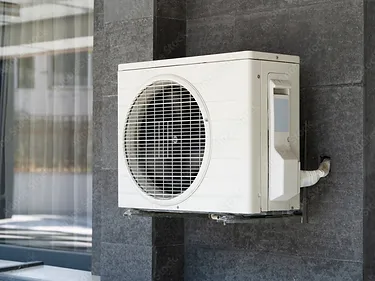
- Dehumidification in summer: Many two-stage or variable-speed Air Conditioning systems run longer, lower-power cycles that wring out moisture better than single-stage units. In stubborn cases, a whole-home dehumidifier tied into the ductwork keeps basements and bedrooms stable. Humidification in winter: Woodburn’s cold snaps can dry the air. If noses crack and static zaps rule the day, a controlled steam or evaporative humidifier can help, as long as it’s maintained to prevent mineral buildup and biofilm.
Measure first. A $20–$40 hygrometer in a couple rooms will tell you more than guesswork. Good HVAC design balances moisture, not just temperature.
Ventilation that works in a rainy climate
Fresh air dilutes indoor allergens and odors, but the Willamette Valley’s damp season can complicate things. Crack a window and your energy bill spikes. Mechanical ventilation is the smarter route:
- Energy recovery ventilators (ERVs): Exchange stale air for fresh while transferring heat and some moisture. ERVs shine in climates with both heating and cooling seasons, like Woodburn. Heat recovery ventilators (HRVs): Similar to ERVs but without moisture transfer. Fine for colder, drier climates; in our region, ERVs typically perform better.
Properly commissioned ventilation maintains a slight positive pressure, which slows infiltration of pollen and smoke through cracks. It also provides predictable air exchanges so your filtration and purification upgrades actually see the air they’re meant to clean.
Ductwork: seal, insulate, and clean with judgment
Leaky ducts pull dusty air from crawlspaces and attics and spread it through your vents. I’ve tested homes where 25–35 percent of airflow disappeared into the void, along with clean air quality. Professional duct sealing with mastic or aerosolized sealant often pays for itself in comfort and cleanliness.
Insulation matters too. Cold ducts in a warm, humid space can sweat, and condensation breeds mold. Insulating and isolating duct runs reduces condensation risk and keeps air at the right temperature.
What about duct cleaning? It helps when you have visible debris, construction dust, or confirmed microbial growth. If your ducts are sealed and you use a high-MERV filter, frequent cleanings hvac installation Woodburn, OR aren’t necessary. Choose NADCA-certified providers who use source-removal techniques, not quick brush jobs.
Right-sizing and airflow: small details, big results
Oversized systems short-cycle. They cool quickly, remove less humidity, and do a poor job filtering because air doesn’t spend enough time moving through the filter. A properly sized system, especially a variable-speed furnace or air handler, increases run time at lower speeds. That means quieter operation, better filtration, and steadier humidity control.
Have your HVAC Company Woodburn, OR conduct a Manual J load calculation and measure static pressure at supply and return. If the return side is starved, even a great filter won’t help because not enough air passes through it. Sometimes adding a return grille or upsizing ductwork solves long-standing dust issues.
Maintenance rhythms that keep allergens at bay
Upgrades only work if you maintain them. A simple schedule prevents most setbacks:
- Check filters monthly during peak seasons; replace 4–5 inch media every 6–12 months depending on dust and pets. Have coils and drain pans inspected and cleaned annually. Test humidity and ventilation setpoints spring and fall. Replace UV bulbs per manufacturer guidelines, often every 12–24 months.
I’ve seen indoor air quality nosedive after a remodel because drywall dust clogged the filter in two weeks. After any dusty project, swap the filter early. Little habits like that make upgrades perform like new.
How to Reduce Allergens with HVAC Upgrades in Woodburn, OR
Let’s tie it all together. How to Reduce Allergens with HVAC Upgrades in Woodburn, OR comes down to layered improvements:
Upgrade to a deep-pleat MERV 11–13 filter in a proper cabinet. Add UV-C at the coil and consider an in-duct purifier if sensitivities are severe. Control humidity to 40–50 percent with variable-speed equipment or a dedicated dehumidifier. Bring in balanced fresh air with an ERV to dilute indoor contaminants. Seal and insulate ducts, and right-size airflow to extend run times for better filtration.Each step contributes a piece. Together, they reduce allergens, tame odors, and make your home feel calmer. If you need a local hand, a trusted HVAC Contractor Woodburn, OR such as Whirlwind Heating & Cooling can assess your system and prioritize upgrades that fit your budget and health goals.
Cost and ROI: what to expect
Ballpark numbers vary by home size and system type, but here’s a realistic range in our market:
- Media filter cabinet and MERV 13 filter: $300–$600 installed, filters $40–$90 each. UV-C coil light: $400–$900 installed, bulbs $60–$150 per replacement cycle. Whole-home dehumidifier: $2,000–$4,000 installed. ERV: $3,000–$5,500 installed, depending on ducting complexity. Duct sealing: $1,000–$2,500 for most homes, depending on accessibility.
Benefits include reduced allergy symptoms, less dusting, longer equipment life, and often lower energy costs when sealing and right-sizing are part of the plan. The best ROI usually starts with filtration and duct improvements, then humidity and ventilation.
Choosing the right partner
Look for an HVAC Company Woodburn, OR homeowners recommend for both Heating & Cooling expertise and indoor air quality know-how. Ask for:
- Load calculations and static pressure measurements, not guesses. Before-and-after data on airflow and leakage. Clear maintenance guidance and filter sizing notes on the equipment.
Whirlwind Heating & Cooling and other reputable firms in the area should be able to show past results, not just promise them. Good service pros love data, because it proves what works.
FAQs: allergen reduction and HVAC
What MERV rating is best for allergies?
For most homes, MERV 11–13 hits the sweet spot by capturing fine allergens while preserving airflow. Verify your blower can handle the added resistance, or upgrade to a deep-pleat cabinet.

Do UV lights kill mold in ducts?
UV-C inhibits mold on surfaces near the lamp, especially the evaporator coil. It’s not a whole-duct sterilizer. Combine UV with filtration, humidity control, and duct sealing for real results.
Will better filters increase my energy bill?
If you choose a high-MERV filter without considering airflow, yes. Use a deep media cabinet and confirm static pressure stays within equipment specs to maintain efficiency.
Is an ERV worth it in Woodburn?
Often, yes. ERVs bring in fresh air while exchanging heat and some moisture, which suits our mixed climate. They improve indoor air quality without the big energy penalty of open windows.
How often should I replace HVAC filters?
Check monthly during heavy use; replace deep-pleat media every 6–12 months depending on dust, pets, and renovation activity. If allergies flare, inspect sooner.
Key takeaways for healthier indoor air
Reducing allergens with HVAC upgrades is about balance: efficient filtration, controlled humidity, smart ventilation, and tight ducts powered by equipment that’s sized and tuned for your home. Start with MERV 11–13 filtration and duct sealing, measure humidity, then layer UV, ERV, or dehumidification as needed. Work with a thorough local pro in Heating and Air Conditioning in Woodburn, OR who brings data to the table and backs recommendations with measurements. With the right plan, your system won’t just heat and cool; it will help you breathe easier every season.
Name: Whirlwind Heating & Cooling
Address: 4496 S Elliott Prairie Rd, Woodburn, OR 97071
Phone: (503) 983-6991
Plus Code: 46GG+79 Woodburn, Oregon
Email: [email protected]